

Laboratory Operations
It’s hard to reconstruct what happened to a record.
It comes up in every kind of lab we work with, from veterinary diagnostic to materials testing labs.
For the Maine Department of Transportation, the team that founded SynapticSci delivered equipment and calibration records on the same record as the samples and tests they qualify. Your first step is a thirty-minute conversation with an expert.
An audit or a disputed report can send your team searching by hand when a record’s changes and decisions sit in different places. A result you cannot trace back is hard to defend. Start with one record your laboratory had to piece together, and walk an expert through it.
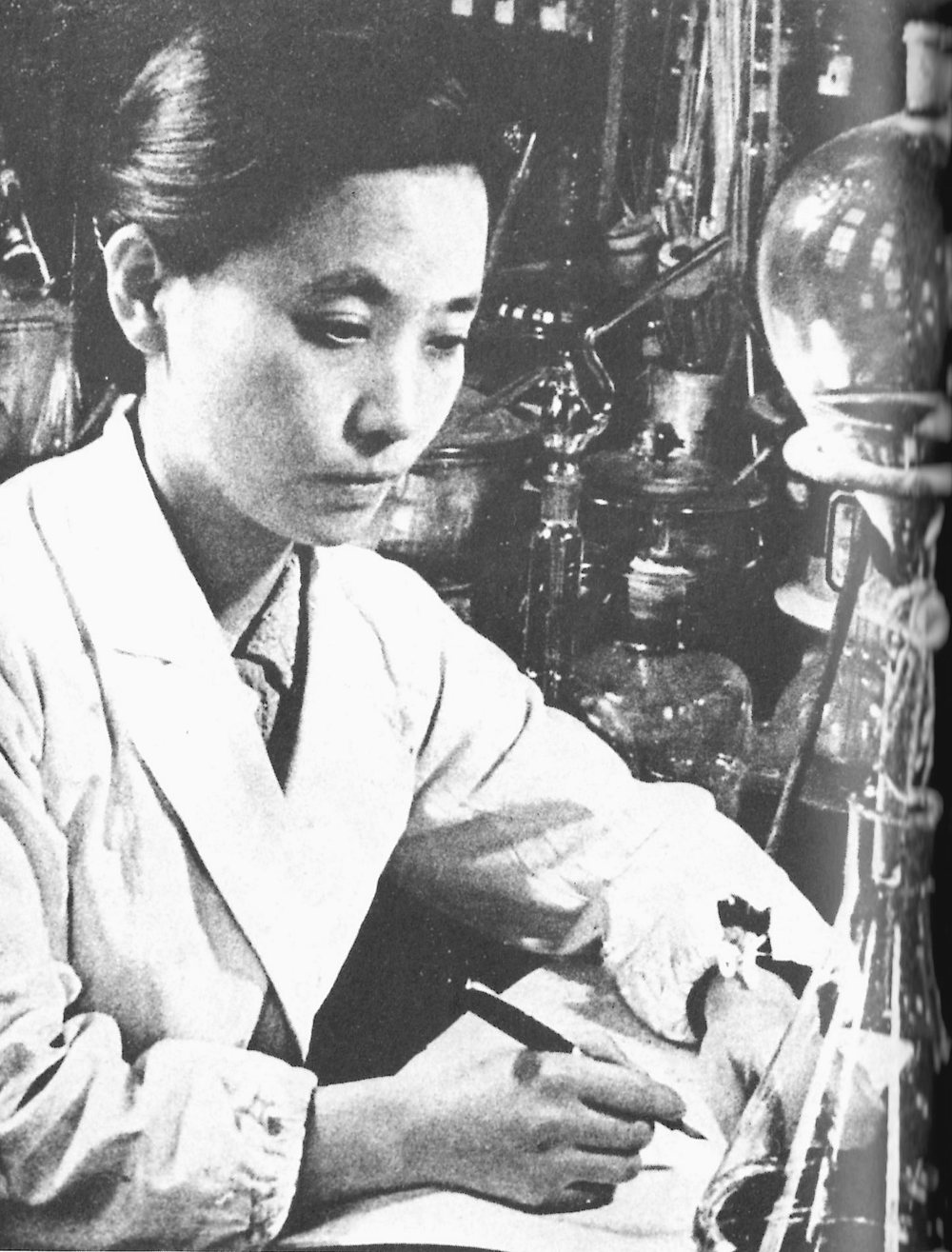
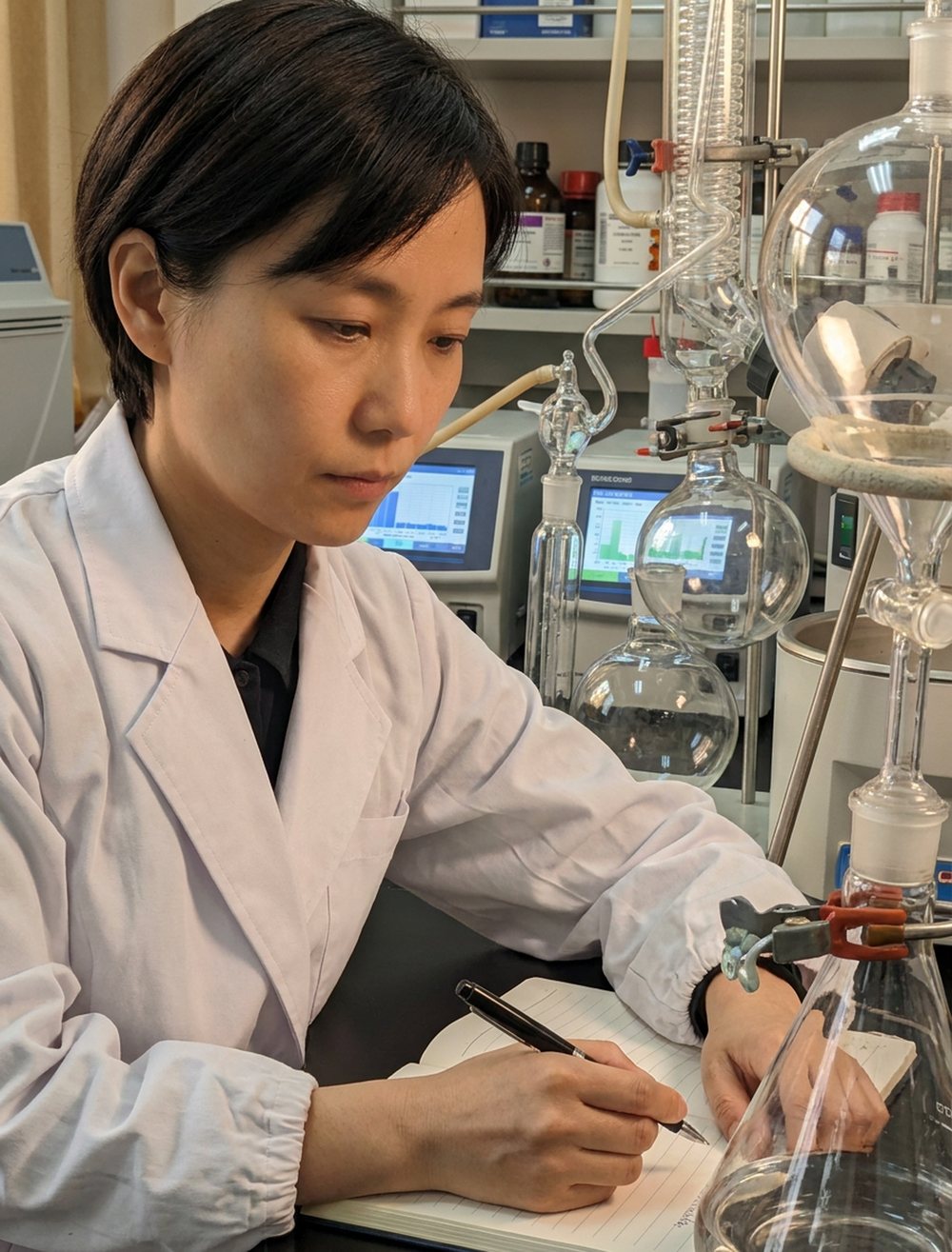
THEN · undated · Wikimedia Commons · NOW · digitally rendered
THEN · undated · Wikimedia Commons · public domain NOW · digitally rendered from the archive photograph above (Gemini 3 Pro Image, 2026-09-26): the room geometry, the camera and the people's positions are the photograph; everything else is generated. Not a photograph.01The difficulty
The history of a record has to be pieced together
Someone needs to know what happened to a record. What is it, what changed, who decided, and what supported the decision? When those are kept apart, the history has to be pieced together by hand, if it can be rebuilt at all.
02Where it occurs
Wherever someone has to follow a record back
It shows whenever someone has to follow a record back to where it began.
The laboratories that meet it first
- Veterinary Diagnostics, following a case from submission to report.
- Transportation & Materials Testing, showing the chain behind a materials result.
- Government Research Laboratories, tracing a result back to its samples and the request behind it.
- Laboratory Modernization, where quality and compliance depend on a record’s history.
Other problems are in the Laboratory Operations catalog.
03Why it matters
Results are only as defensible as their history
A laboratory must be able to show that samples, tests, decisions, and reporting stayed connected, or its results are hard to defend. A materials result, for example, is only as good as the calibration and custody chain behind it.
04Before changing it
Decide what has to be reconstructable, and for whom
Before choosing a tool, list what identifies the record, which changes matter, who makes each decision, and which records support it. Then decide whether that history lives on the record itself or in a linked record. We work this out with you in the Understand phase, our on-site analysis of your workflow at a fixed scope and price.
Judge the result by whether a reviewer can follow a record’s history without asking the people who made it.
05Approaches
From a process change to a new system
Change the process
When decisions are made outside the record.
Use a capability you already have
When an existing system keeps a history that nobody reviews.
Connect the systems
When the supporting records sit in another system.
Add a focused tool
When the history is lost where information first enters.
Replace a system
Only when the record cannot carry its history any other way.
06Tools and services
What fits, and when
- delivered example
- work delivered for an existing client and described on the Evidence page.
- available approach
- a product, module or service SynapticSci offers today.
- scope to assess
- something to establish with your laboratory in the Understand phase, before any tool is chosen.
- available approach Audit trails, role-based access and controlled records Fits when changes and decisions have to stay on the record. They are standard features of Microsoft Dataverse. Trust, validation and IT
- available approach DOTSci Fits when a specimen has to be followed from the field to the report. Explore DOTSci
- delivered example Exchange with a transportation information system Fits when the context of a result lives in another system. Delivered for Maine Department of Transportation.
- available approach FormSense Fits when the history is lost at intake. Every field keeps what was read, the final value, and any change a reviewer made. Explore FormSense · FormSense on real laboratory log sheets
- scope to assess Workflow assessment Fits when it is not yet clear what has to be reconstructable, or for whom. The Understand phase
07Getting started
Start with one record your laboratory had to piece together
Start with the part of the workflow that needs attention. The work comes in three sizes.
- An assessment finds what has to be reconstructable, for whom, and where the history is lost. That is our Understand phase.
- A focused intervention closes one gap. A decision is recorded where the record lives, a history gets reviewed, or FormSense adds review at intake.
- A broader change adds software, implementation, data migration, and the ongoing services you choose.
We give a price once the work is sized to your records, interfaces, and users. The first step is a conversation with an expert about one record your laboratory had to piece together.