
Our Science · SynapticSci
Our science
- Veterinary diagnostic labs stop retyping submission forms.
- Materials and transportation testing labs stop retyping field sheets.
- Government research and contract testing labs keep requests and results together.
- Environmental and other testing labs replace a LIMS that no longer fits.
Our software runs in production for clients including UW Veterinary Care, Maine DOT, and NIEHS. Your first step is a thirty-minute conversation with an expert.
SynapticSci was founded in 2021 by a team that had built and implemented LIMS together before. We run the company the way we ran our laboratories. We form a hypothesis, test it small, and keep what proved.
Scientists helping scientists stay in love with the lab.
SynapticSci is a team of scientists who turned their curiosity toward how laboratories work and now help diagnostic, testing, and research laboratories run better.
Talk with an expert Meet the team →

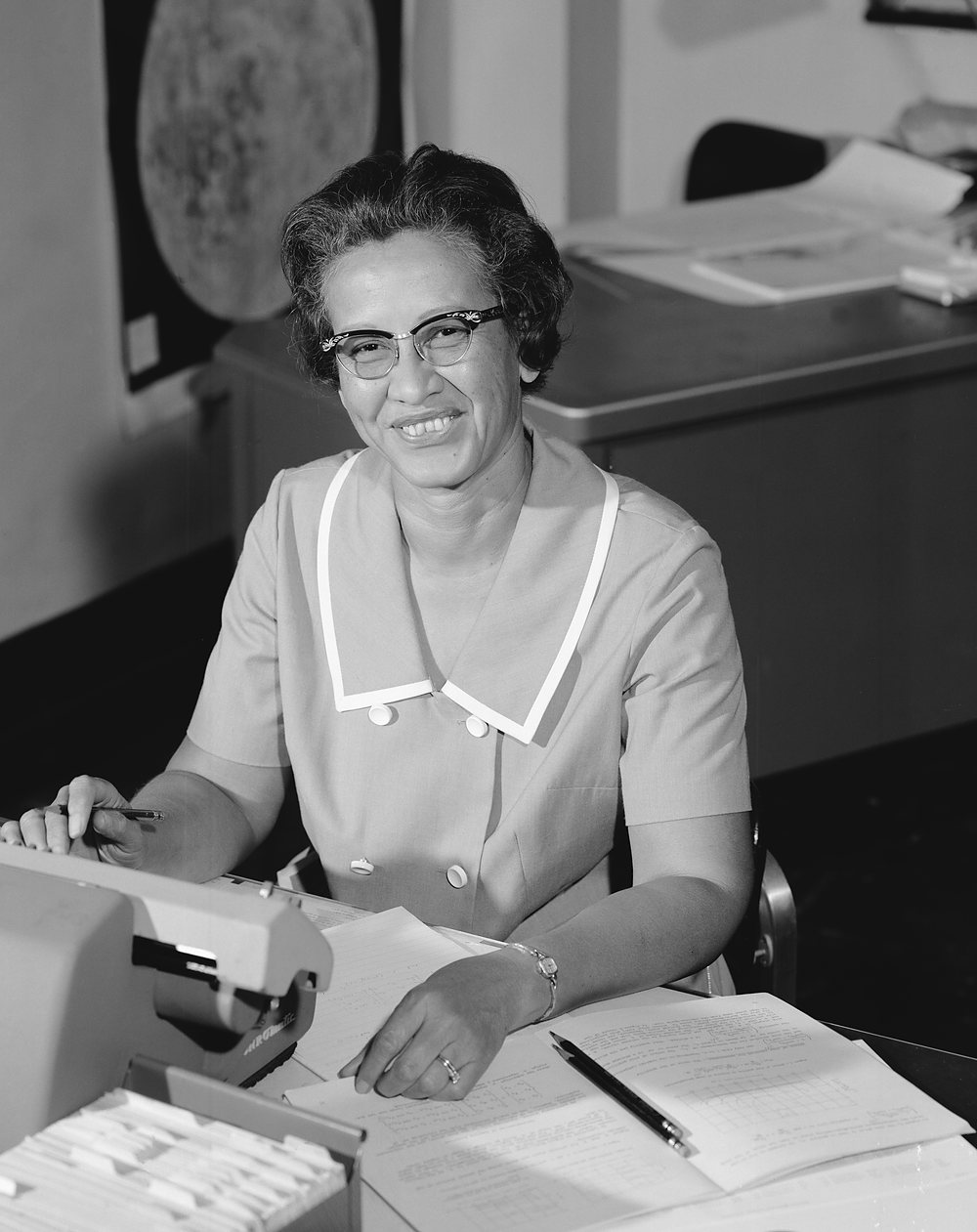
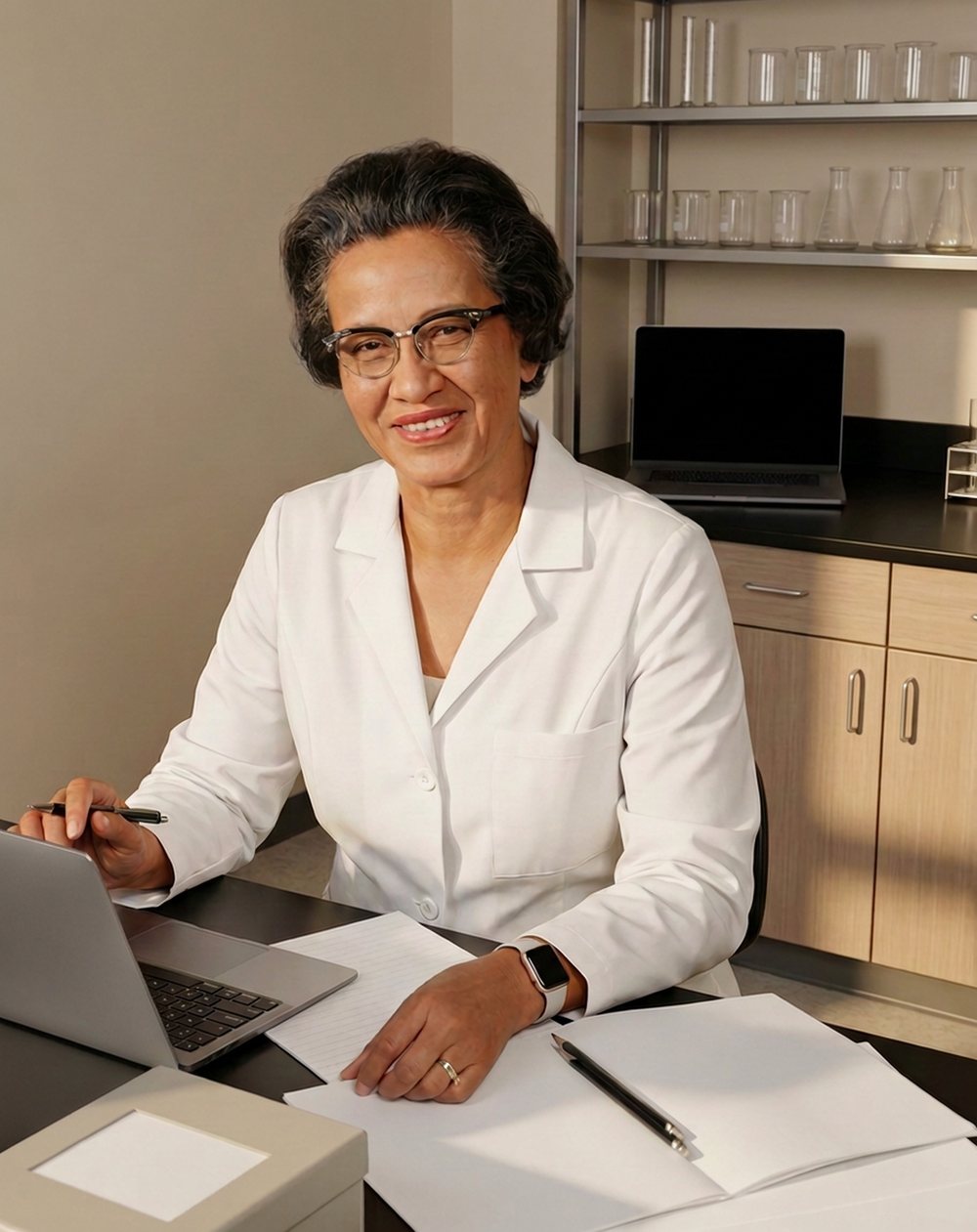
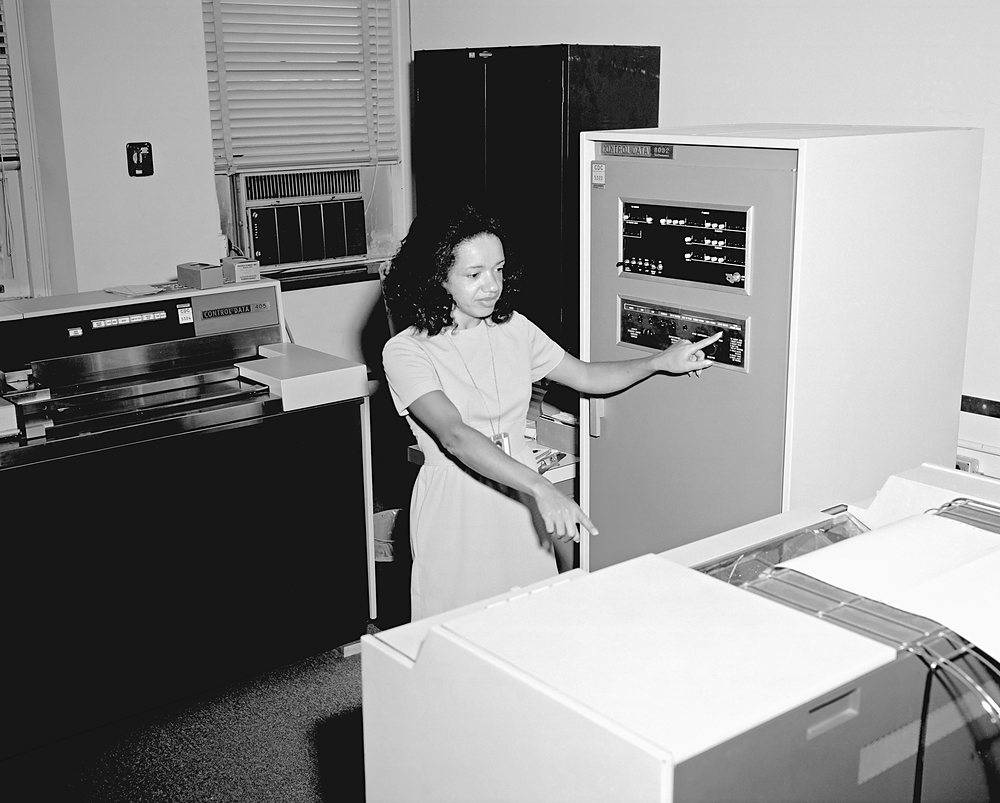
THEN · 1966 · NASA Langley Research Center · NOW · digitally rendered
THEN · 1966 · NASA Langley Research Center (photo LRC-1966-B701_P-06717), via Wikimedia Commons · public domain · photograph by Bob Nye NOW · digitally rendered from the archive photograph above (Gemini 3 Pro Image, 2026-10-14): the room geometry, the camera and the people's positions are the photograph; everything else is generated. Not a photograph.01The scientists
A team that had built and implemented LIMS together before
Today we are an eighteen-person team, fully distributed, with our headquarters in Louisville, Kentucky. We build laboratory informatics for diagnostic, testing, and research laboratories.
The team includes scientists and engineers, test analysts, a Power BI developer, and people in marketing and operations.
Doug, our founder, worked as a biologist, a research tech, and a product manager, including at Fisher Scientific. Along the way he learned that the best people to help a scientist find the right solution are other scientists. That is what sets SynapticSci apart. We want to make lab life easier, and we can only do that by working through the change with you.
Doug and team are always trying to deliver more than we ask for and help us imagine what we could do if we take it further.
from an independent customer survey, 2025
Founder
Doug worked as a biologist, a research tech, and a product manager, with a background at Fisher Scientific, and learned along the way that the best people to help a scientist find the solution they need are other scientists.

Chief Science Officer

Sr. Laboratory Informatics Scientist

VP of Quality
Chief Technology Officer
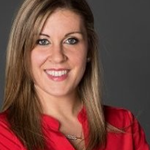
Human Resource Manager

VP - Marketing

Sr. Software Developer
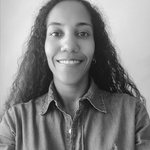
Testing Lead (Quality - Team)
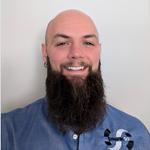
Sr. Laboratory Informatics Architect
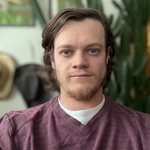
Laboratory Informatics Scientist

Laboratory Informatics Scientist
Software Developer

Software Developer
Laboratory Informatics Scientist
Laboratory Informatics Scientist and QA Engineer
Laboratory Informatics Scientist
Director of Quality
02The method
The scientific method, applied to how a laboratory’s work is recorded
We study laboratory work itself, which means how samples, tests, results, and reports move through a laboratory and where the record behind them breaks. We study it the way we were trained to, with a hypothesis, a measurement where the work happens, and evidence before we make a claim.
We call the method Scientist-Driven Development. It runs the scientific method as an agile delivery loop.
- A story is a hypothesis.
- A build is the experiment.
- Adoption is the analysis.
- Sustain is the conclusion, which starts the next loop.
Scientists, lab-informatics experts, and the people who use the system shape each product, service, and workflow together, from the problem we observe to the support after go-live.
We deliver in phases, starting with a fixed-scope on-site Understand phase, then one proven step at a time, so you see a working result before you commit further. The Understand phase is an on-site analysis of your workflow that ends in a needs summary, user stories, and plans. Adopt takes each step live, and Sustain keeps the system improving after go-live.
We run the company the same way we run a project. Every story carries an estimate you can see. We plan against a probabilistic baseline instead of a best case, and we show you the confidence level we planned to.
How we work walks through the four phases, what your laboratory’s staff contribute in the first weeks, and what happens after go-live.
03What we hold to
Four commitments we work by
Each commitment is strong enough to stop a message, a feature, or a sale.
Science first
Scientific integrity, laboratory reality, data quality, and traceability come before generic software patterns and marketing convenience.
Evidence before amplification
We make a claim only when we can show the proof, and we bring the figures behind it to the conversation.
Laboratory reality over software abstraction
We model samples, tests, methods, instruments, and quality workflows the way labs actually run them.
The mission
To solve laboratories’ efficiency, traceability, and regulatory needs through experience, innovation, software, and on-time, in-scope lab-informatics delivery.

Your science is why we do ours.
The Synaptic Spark: turning complexity into insight
04How we sell
What buying from us looks like
We fix the price after the Understand phase, when we have studied your workflow on site and scoped the work with you.
You can stop after the first phase. Understand has a fixed scope and a fixed price, agreed after a first conversation, and it produces the on-site analysis, the needs summary, the user stories, and the plans before any build is priced.
- Pricing explains how each part is priced.
- Trust covers where your data lives.
- Labs we help lists the laboratories we build for.
05Working here
Scientists and engineers who have worked a bench or a data pipeline
We hire scientists and engineers who have worked a bench or a data pipeline. Write to info@synsci.com with what you have built.
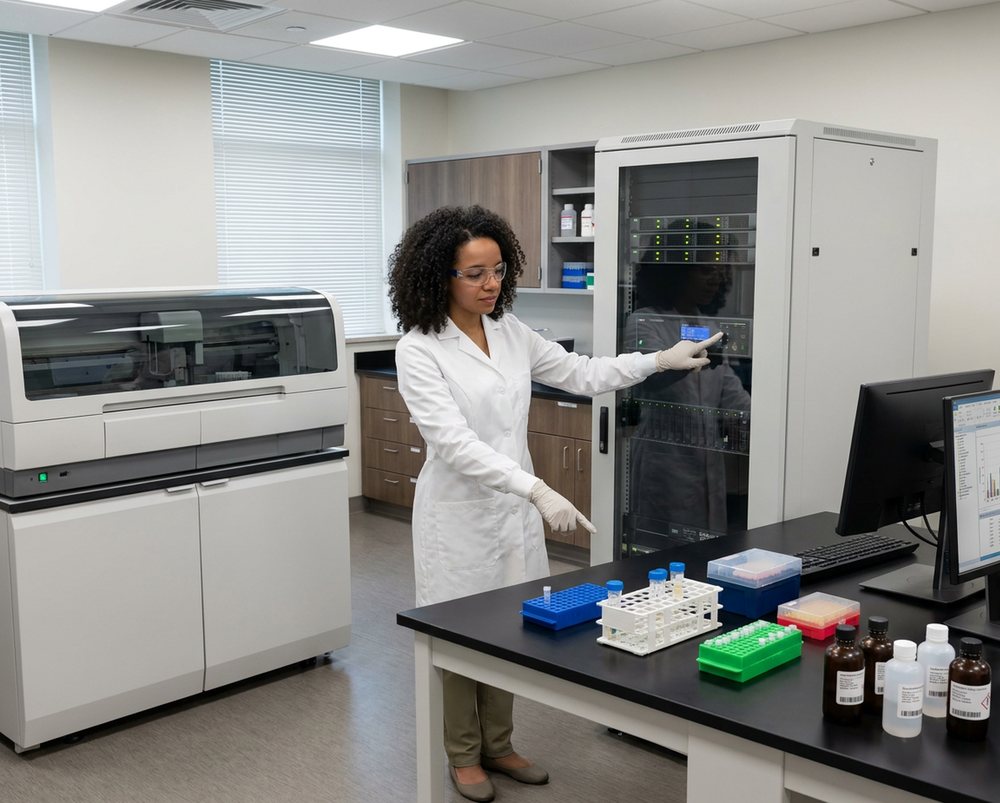
THEN · 1973 · NASA Langley Research Center · NOW · digitally rendered
THEN · 1973 · NASA Langley Research Center (photo LRC-1973-B701_P-05096), via Wikimedia Commons · public domain NOW · digitally rendered from the archive photograph above (Gemini 3 Pro Image, 2026-10-09): the room geometry, the camera and the people's positions are the photograph; everything else is generated. Not a photograph.06Read on
More about how we work
-
How we work
Scientist-Driven Development in four phases, from Understand to Sustain.
-
Evidence
The work we have delivered, with the records behind it.
-
Trust, validation and IT
How we handle validation, compliance, and your data.
-
Contact
Talk with a laboratory informatics expert for thirty minutes, on your calendar.